
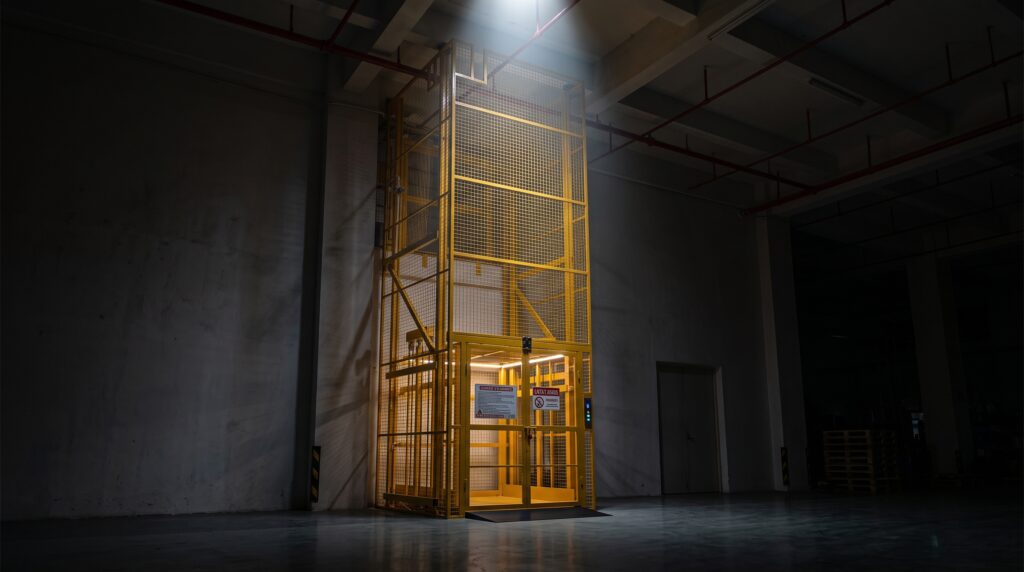
Moving goods should never slow down your business. Choosing the right cargo lift is one of the most important investments a warehouse can make. The right solution improves productivity, enhances workplace safety, reduces manual handling, and supports smooth day-to-day operations.
Whether you’re planning a new warehouse, expanding an existing facility, or replacing outdated lifting equipment, this guide will help you understand what matters most before making a purchase.
Why Choosing the Right Cargo Lift Matters?
Warehouses today handle more inventory than ever before. Businesses need faster movement of goods while maintaining high safety standards and minimizing downtime.
A cargo lift is much more than a platform that moves goods between floors. It becomes a critical part of your daily operations, affecting everything from workflow efficiency to employee safety.
Choosing a lift based only on price may lead to:
-
- Reduced operational efficiency
-
- Frequent maintenance costs
-
- Safety concerns
-
- Higher energy consumption
-
- Limited future scalability
Instead, selecting a cargo lift that matches your operational requirements can provide long-term value and reliable performance.
What Is a Warehouse Cargo Lift?
A warehouse cargo lift is a vertical transportation system designed specifically to move heavy materials, equipment, pallets, and goods between different floor levels.
Unlike passenger elevators, cargo lifts are engineered to handle substantial loads while prioritizing durability, stability, and operational efficiency.
Common applications include:
-
- Distribution centers
-
- Manufacturing plants
-
- Logistics facilities
-
- Cold storage warehouses
-
- Retail stockrooms
-
- Automotive workshops
-
- Food processing facilities
-
- Pharmaceutical warehouses
7 Essential Factors to Consider Before Buying a Cargo Lift
1. Load Capacity
This is the first question every business should answer.
How much weight will the lift carry on a regular basis?
Avoid choosing a lift based only on your current requirements. Consider future expansion as well
| Warehouse Type | Recommended Capacity |
| Small Storage | 300–500 kg |
| Retail Warehouse | 500–1000 kg |
| Manufacturing Unit | 1000–2000 kg |
| Heavy Industrial Facility | 2000–3000 kg+ |
Pro Tip: Never operate a cargo lift beyond its rated capacity. Overloading increases wear and may compromise safety.
2. Platform Size
A larger platform allows goods to be transported efficiently without repeated trips.
Consider:
-
- Pallet dimensions
-
- Trolleys
-
- Machinery
-
- Packaging size
-
- Future storage requirements
An undersized platform may increase loading time and reduce productivity.
3. Travel Height
Measure the vertical distance carefully.
Different warehouses require different travel heights.
Examples:
| Warehouse Floors | Recommended Lift Travel |
| Ground + 1 | 3–5 meters |
| Ground + 2 | 6–9 meters |
| Multi-level Warehouse | Custom Solution |
Choosing the correct travel height ensures smooth operation and avoids unnecessary modifications later.
4. Safety Features
Safety should never be an optional feature.
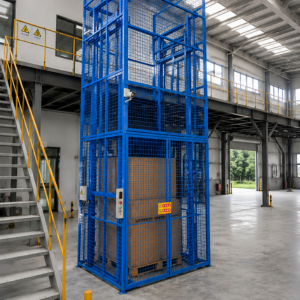
Look for cargo lifts equipped with:
 Emergency Stop Button
Door Interlock System
Overload Protection
Emergency Lowering System
Anti-Fall Protection
Safety Sensors
Manual Rescue Operation
Emergency Alarm
These features help protect both operators and transported goods.
5. Installation Space
Before purchasing, evaluate the available installation area.
Consider:
-
- Shaft dimensions
-
- Ceiling height
-
- Pit requirements
-
- Power supply
-
- Access routes
A site inspection by experienced professionals can help identify the most suitable configuration for your warehouse.
6. Maintenance Requirements
Every cargo lift requires regular servicing.
When comparing manufacturers, ask:
-
- Are spare parts readily available?
-
- Is preventive maintenance included?
-
- What is the response time for service calls?
-
- Is technical support available?
Choosing a supplier with reliable after-sales support helps reduce downtime and extends equipment lifespan.
7. Manufacturer Experience
A cargo lift is a long-term investment.
Choose a manufacturer that offers:
-
- Industry expertise
-
- Custom solutions
-
- Quality-certified components
-
- Professional installation
-
- Ongoing technical support
-
- Warranty coverage
A trusted manufacturer becomes a long-term partner, not just a supplier.
Common Mistakes Businesses Make
Buying Only Based on Price
A lower initial cost may lead to higher maintenance expenses over time.
Ignoring Future Growth
Your business may expand, increasing your lifting requirements. Choosing a lift with additional capacity can help avoid costly upgrades later.
Choosing the Wrong Platform Size
An incorrectly sized platform can reduce efficiency and require additional handling.
Overlooking Safety Features
Modern safety systems are essential for protecting employees and goods.
Neglecting After-Sales Support
Reliable service and maintenance are just as important as the lift itself.
Maintenance Tips for Longer Lift Life
-
- Perform regular inspections.
-
- Keep the platform clean.
-
- Avoid exceeding weight limits.
-
- Lubricate moving parts as recommended.
-
- Train operators on safe usage.
-
- Schedule preventive maintenance.
-
- Address unusual noises or performance issues promptly.
Routine maintenance helps improve reliability and minimize unexpected downtime.
Quick Buyer Checklist
Before purchasing, confirm the following:
 Required load capacity
Platform dimensions
Number of floors
Travel height
Safety features
Drive system
Installation space
Power requirements
Warranty coverage
Maintenance support
Frequently Asked Questions!
How much weight can a cargo lift carry?
Cargo lifts are available in a range of capacities, typically from 300 kg to over 3000 kg, depending on the application and design.
Can cargo lifts transport people?
Cargo lifts are designed for transporting goods. Unless specifically certified for passenger use, they should not be used to carry people.
How often should a cargo lift be serviced?
Regular preventive maintenance is recommended. The exact schedule depends on usage, but routine inspections help ensure safe and reliable operation.
Which is better: hydraulic or traction cargo lifts?
Hydraulic systems are well suited for heavy-duty applications, while traction systems are often preferred for frequent operation and energy efficiency. The best choice depends on your specific operational needs.
How long does a cargo lift last?
With proper installation, regular servicing, and correct operation, a quality cargo lift can provide reliable performance for many years.
Final Thoughts
Selecting the right cargo lift is about more than lifting goods—it’s about improving efficiency, supporting workplace safety, and preparing your business for future growth.
By carefully evaluating factors such as load capacity, platform size, travel height, safety systems, drive technology, installation requirements, and maintenance support, you can invest in a solution that delivers long-term value and dependable performance.
A well-chosen cargo lift becomes an integral part of your warehouse operations, helping your team move materials faster, reduce manual effort, and maintain a productive workflow.
Ready to Upgrade Your Material Handling?
At SAN-E Industrial, we design and deliver reliable cargo lift solutions tailored to the unique requirements of warehouses, factories, logistics centers, and industrial facilities. From consultation and customization to installation and ongoing support, we help businesses improve efficiency with safe, durable lifting solutions.
Contact SAN-E Industrial today to discuss your project and find the cargo lift that best fits your operational needs.